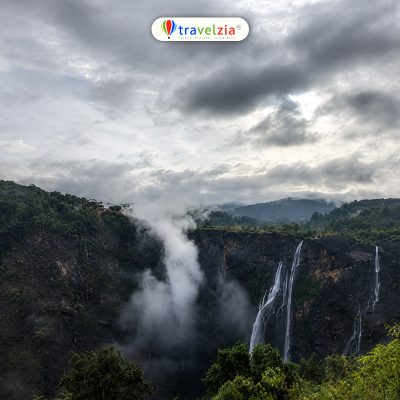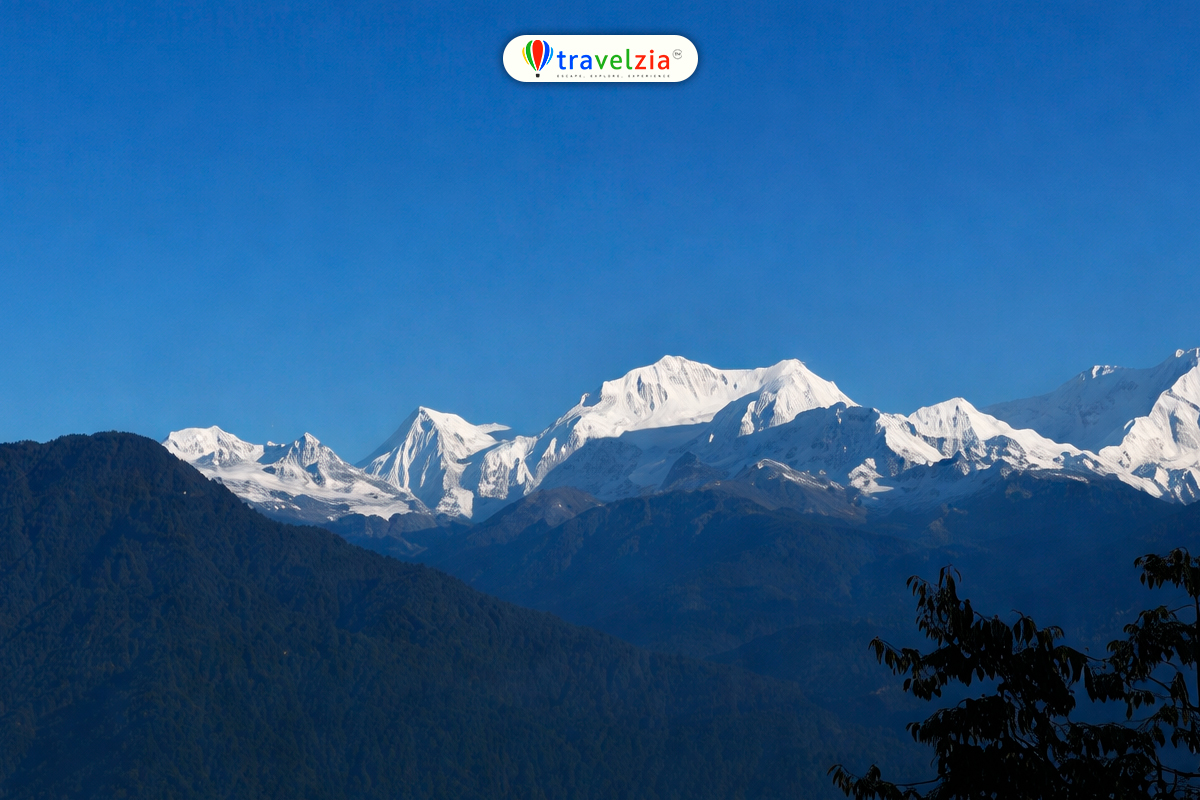
Planning a trip to Sikkim? Imagine waking up to snow-covered mountains, walking through flower-filled valleys, and discovering peaceful monasteries hidden in the hills. Sikkim is not just a destination—it’s an experience that blends nature, adventure, and culture in the most beautiful way. In this travel guide, we’ll take you through the best places to visit in Sikkim and help you plan a journey that’s truly unforgettable.
Quick Preview – Why Visit Sikkim?
- Perfect destination for snow lovers, nature seekers, and adventure travelers.
- Explore high-altitude lakes, valleys, waterfalls, and Himalayan villages in one trip.
- Experience both popular spots like Gangtok and offbeat gems like Yuksom & Pelling.
- Ideal for family trips, honeymoons, and solo mountain escapes.
- Witness snowfall in Sikkim (Dec–Feb) and blooming valleys in spring (Mar–May).
- Offers a mix of North Sikkim adventure and West Sikkim peaceful travel.
- Suitable for both budget travelers (off-season) and premium experiences (peak season).
Top 10 Places to Visit in Sikkim
1. Yumthang Valley
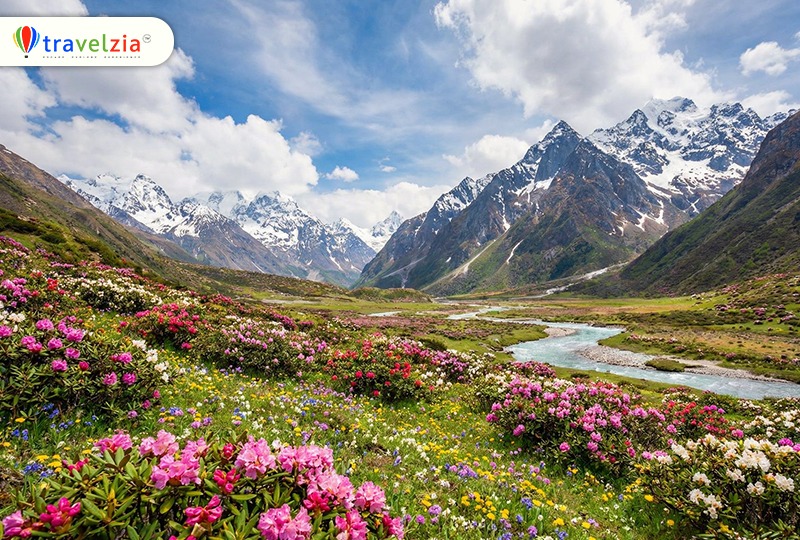
Yumthang Valley is often called the Valley of Flowers of Sikkim, and once you arrive, it’s easy to understand why. Surrounded by snow-capped peaks and flowing rivers, the valley transforms dramatically with the seasons. During spring (March to May), the valley bursts into color with rhododendrons and alpine flowers, making it one of the most beautiful natural landscapes in Sikkim. In winter, the same valley turns into a white wonderland, offering a completely different but equally magical experience. It’s an essential stop on any North Sikkim tour, especially for travelers who want to witness nature in its purest form.
2. Zero Point (Yumesamdong)
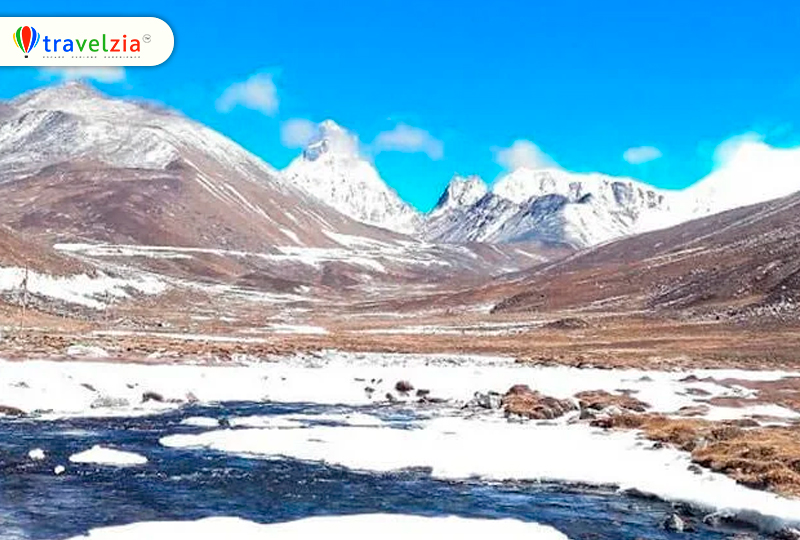
Located further ahead of Yumthang Valley, Zero Point is where civilization fades and raw Himalayan beauty begins. This high-altitude destination is one of the best places to see snowfall in Sikkim, especially between December and February. The landscape here is stark yet mesmerizing—endless stretches of snow, icy winds, and dramatic mountain views. Visiting Zero Point feels like stepping into another world, making it a must-visit for adventure seekers and snow lovers.
3. Gurudongmar Lake
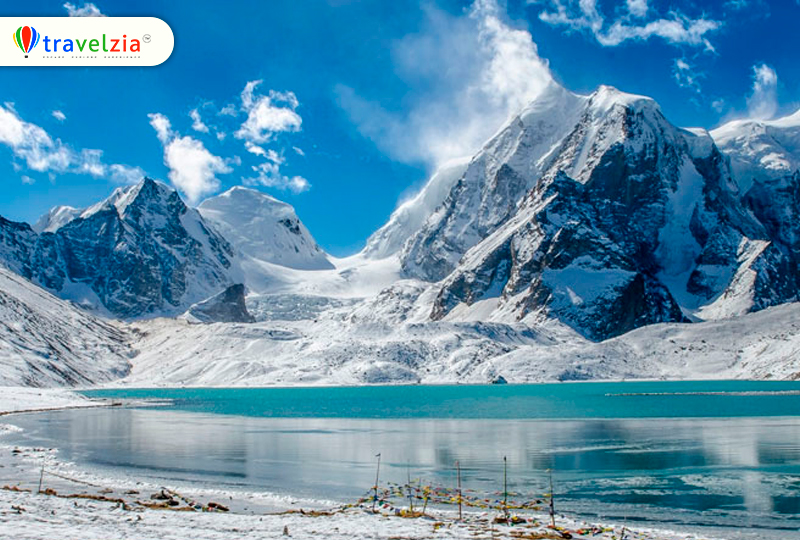
At an altitude of over 17,000 feet, Gurudongmar Lake is not just a destination—it’s an experience. Surrounded by barren mountains and deep silence, the lake holds spiritual significance and breathtaking beauty. The journey itself is challenging due to the altitude, but the reward is a view that few places on earth can offer. Due to extreme weather conditions, the lake is best visited between May and October when roads are accessible.
4. Gangtok
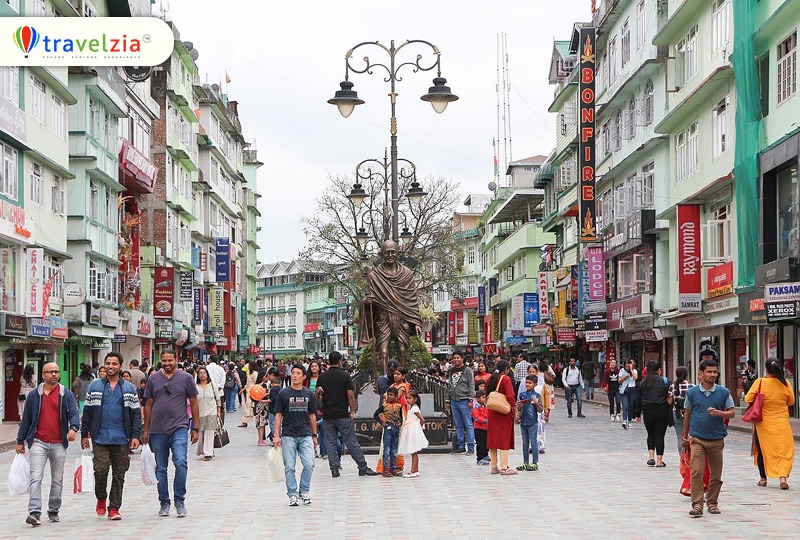
Gangtok(East Sikkim), the capital city, serves as the gateway to Sikkim tourism. It offers a perfect balance between urban comfort and natural beauty. From walking along MG Marg to visiting monasteries and enjoying panoramic viewpoints, Gangtok provides a relaxed yet engaging travel experience. It’s also the base for exploring nearby attractions like Tsomgo Lake and Nathula Pass. For first-time travelers, Gangtok is often the best place to begin a Sikkim itinerary.
5. Nathula Pass
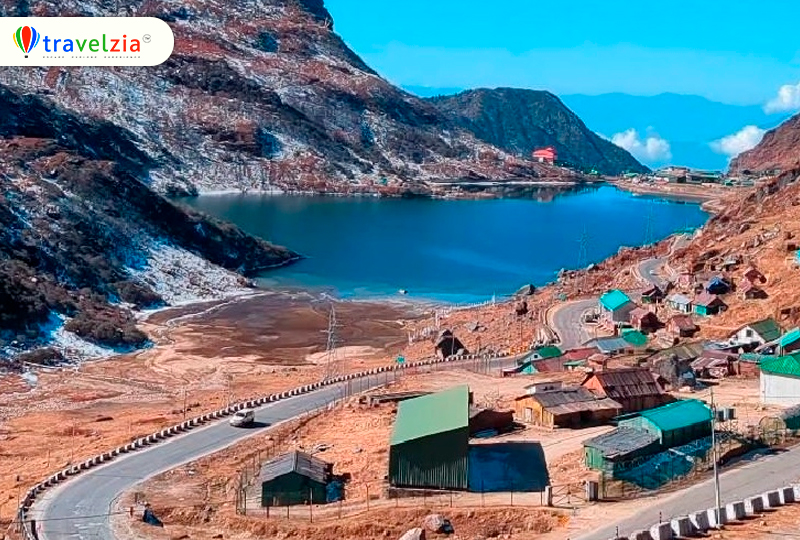
Nathula Pass is not just a scenic destination but also a place of historical and strategic importance. Located on the Indo-China border, it offers travelers a rare opportunity to witness snow-covered roads and high-altitude terrain. The experience of standing at such a significant border point adds a sense of adventure and uniqueness to your Sikkim trip. Access is restricted and requires permits, so planning in advance is essential.
6. Pelling
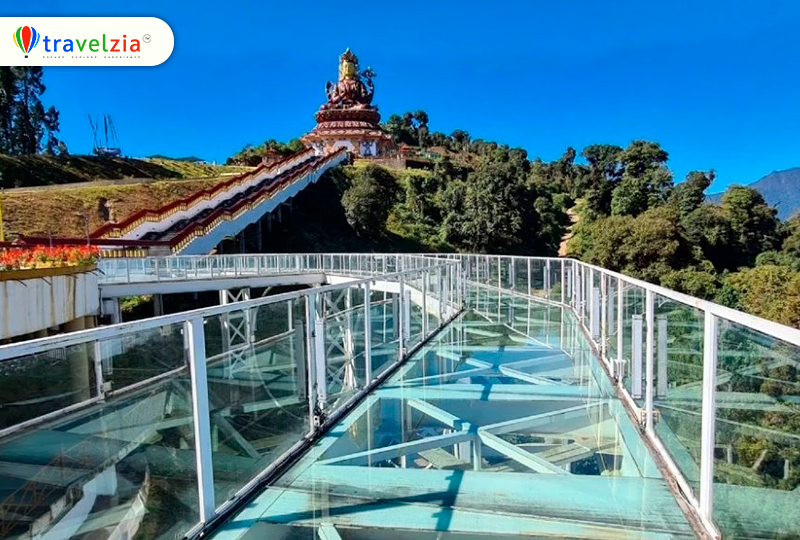
For travelers seeking peace and offbeat beauty, Pelling in West Sikkim is a perfect choice. Known for its stunning views of Mount Kanchenjunga, Pelling offers a slower, more relaxed travel experience. Attractions like waterfalls, monasteries, and skywalk viewpoints make it ideal for nature lovers. Compared to North Sikkim, Pelling is less crowded and more accessible, making it a great option for those looking for offbeat Sikkim travel experiences.
7. Yuksom
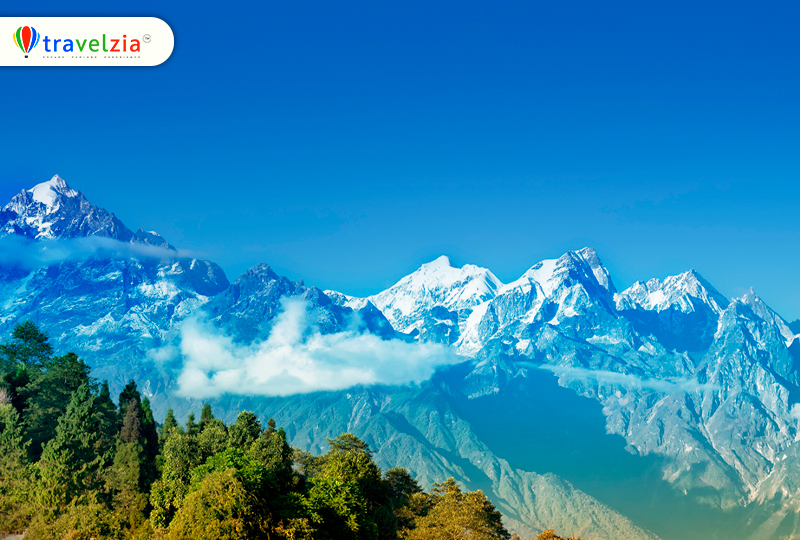
Yuksom is a quiet historical town and the starting point for treks to Kanchenjunga. Surrounded by forests and mountains, it offers a deep sense of calm and connection with nature. Unlike more commercial destinations, Yuksom remains untouched and authentic. It’s perfect for travelers who prefer slow travel, village experiences, and scenic hikes.
8. Ravangla
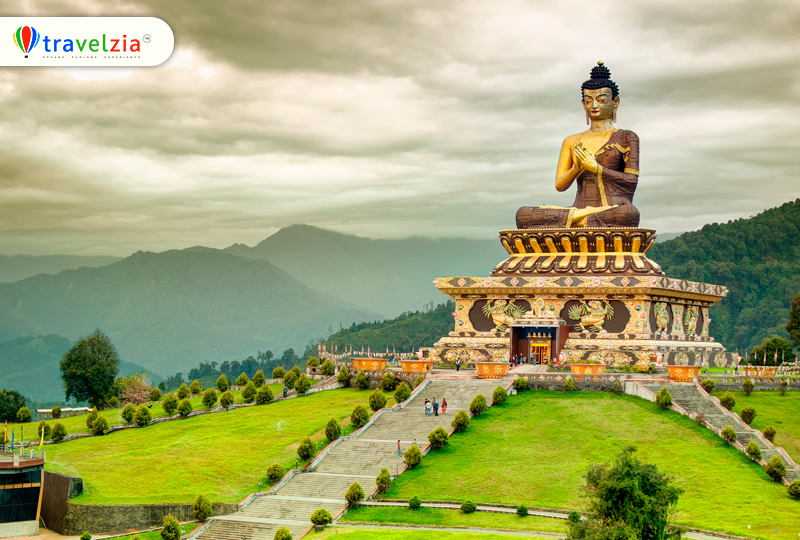
Ravangla is one of the most peaceful destinations in South Sikkim, known for its spiritual atmosphere and scenic beauty. The highlight here is Buddha Park, where a massive statue stands against the backdrop of the Himalayas. The town offers a calm and less crowded alternative to more popular destinations, making it ideal for relaxation and reflection.
9. Lachung & Lachen
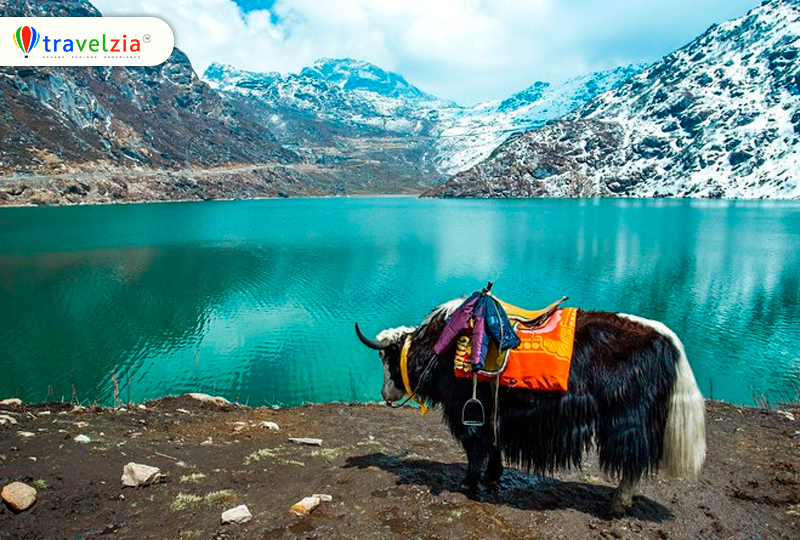
These two remote villages in North Sikkim are not just stopovers but experiences in themselves. Surrounded by mountains, rivers, and forests, Lachung and Lachen offer a glimpse into traditional Himalayan life. Staying here allows you to experience the raw beauty of Sikkim while preparing for nearby attractions like Yumthang Valley and Gurudongmar Lake.
Which Month is Snowfall in Sikkim?
Snowfall in Sikkim generally occurs between December and February, especially in places like North Sikkim, Tsomgo Lake, and Nathula Pass. This is the best time to experience Sikkim in winter and witness snow-covered landscapes.
Best Time to Visit Sikkim
The best time to visit Sikkim depends on what you want to experience. Spring (March to May) is ideal for pleasant weather, blooming flowers, and family trips. Summer (May to June) is the peak tourist season with comfortable temperatures. Autumn (October) offers clear skies and the best mountain views. Winter (December to February) is perfect for snowfall lovers, while monsoon (July to September) is considered the off-season due to heavy rainfall but offers budget travel opportunities.
Is It Cheaper to Visit Sikkim in Off-Season?
Yes, traveling during the Sikkim off-season can significantly reduce your travel costs. Hotels and transport are more affordable, and tourist crowds are minimal. However, due to rainfall and landslides, careful planning is required during this time.
North vs West Sikkim: Which One Should You Choose?
Choosing between North and West Sikkim depends on your travel style. North Sikkim is perfect for those seeking adventure, snow, and dramatic landscapes, while West Sikkim offers peaceful surroundings, cultural experiences, and scenic beauty. Both regions provide unique experiences, and if time allows, exploring both can give you a complete Sikkim travel experience.
Travel Tips for a Smooth Sikkim Trip
When planning your Sikkim trip, it’s important to keep a few practical tips in mind. Always obtain permits in advance for restricted areas such as North Sikkim and Nathula Pass. Carry warm clothing regardless of the season, as temperatures can drop unexpectedly. Keep buffer days in your itinerary to manage weather-related delays, and opt for reliable local transport for a smoother journey.
Sikkim is more than just a travel destination—it’s a journey into the heart of the Himalayas. From snow-covered peaks and hidden valleys to cultural experiences and peaceful villages, every moment here feels authentic and refreshing. Whether you’re planning a Sikkim honeymoon, family trip, or solo adventure, this destination promises memories that last a lifetime.
Plan Your Sikkim Trip with Ease
If you want a comfortable and hassle-free Sikkim tour, Travelzia can help you with personalized itineraries, curated stays, and even private car arrangements—so you can focus on enjoying the journey while everything else is taken care of.
Ready to explore Sikkim? Let the mountains guide your next adventure.
About The Author