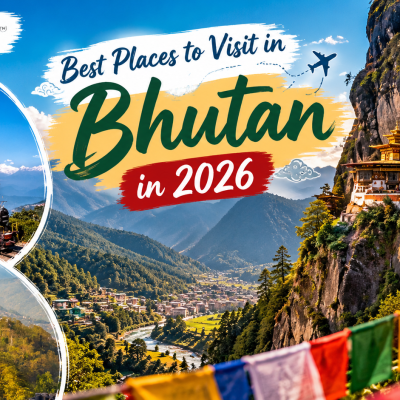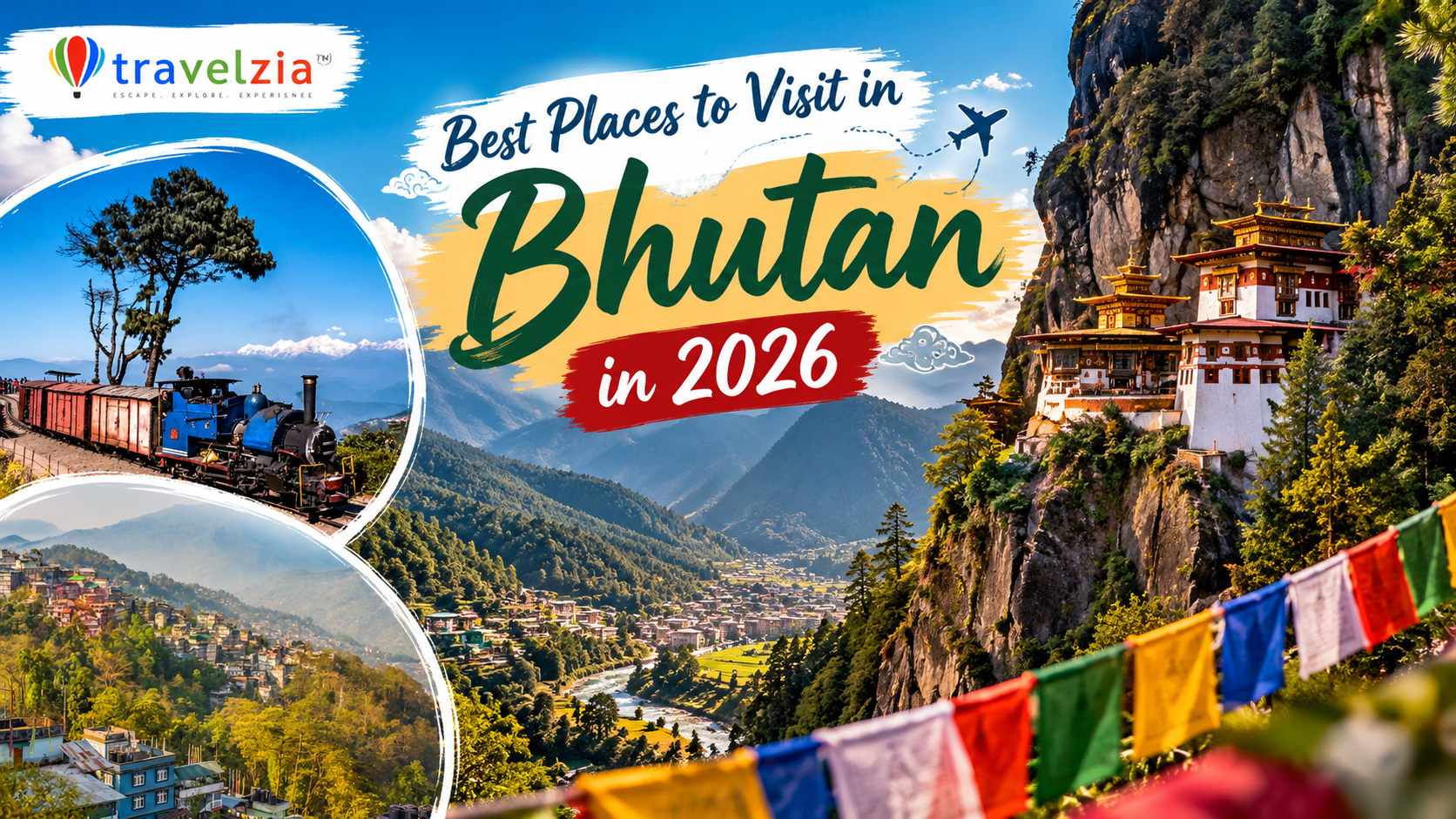
Bhutan has a way of making you forget your usual holiday routine. You might start the morning walking through a busy market in Thimphu and end it watching prayer flags flutter over a quiet mountain pass. Even the roads between towns are worth looking forward to.
But here’s something first-time visitors often underestimate: Bhutan may look small on a map, yet travelling between its valleys takes time. Trying to squeeze every famous attraction into a short holiday usually means spending more hours in the car than enjoying the destination.
So, which places deserve a spot on your itinerary?
We’ve put together the best places to visit in Bhutan, covering famous monasteries, historic fortresses, peaceful valleys and a few quieter corners that deserve more attention.
Best Places to Visit in Bhutan at a Glance
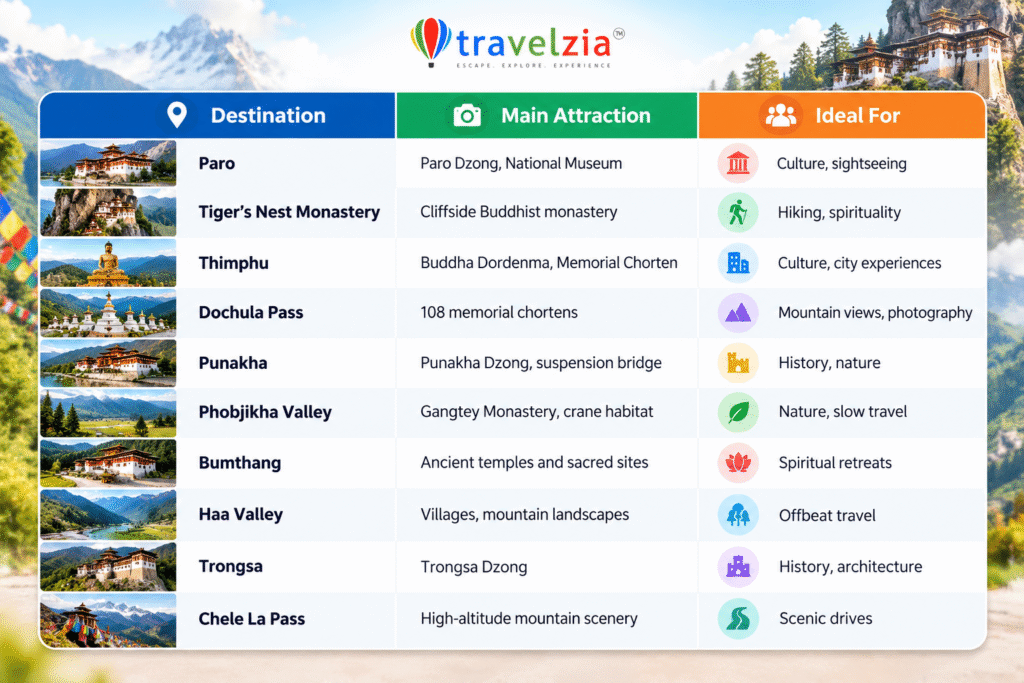
1. Paro – Where Most Bhutan Holidays Begin
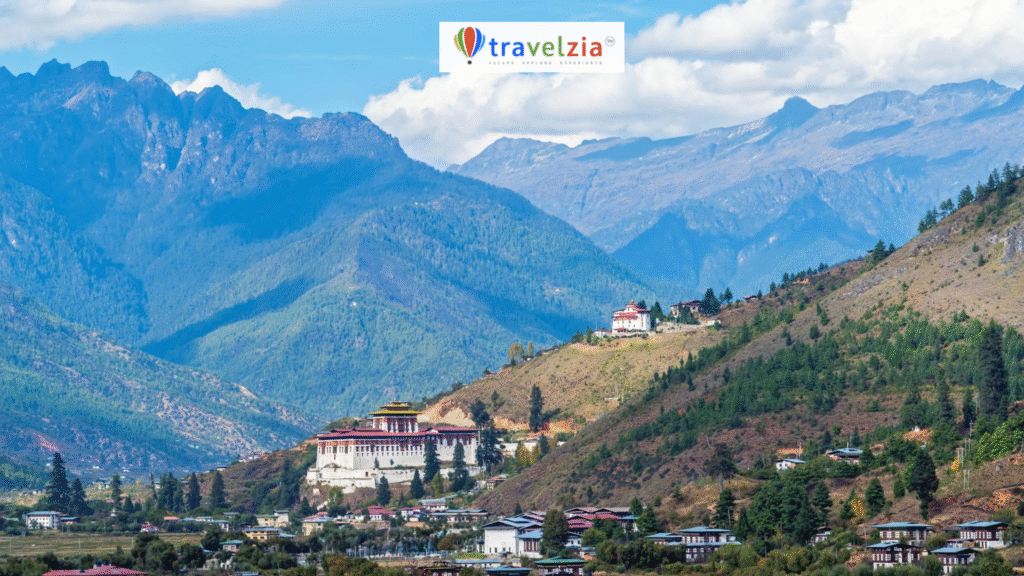
Paro is often the first place visitors see when they arrive in Bhutan by air. Surrounded by green hills and traditional houses, the valley immediately gives you a sense of the country’s character.
Spend some time exploring Rinpung Dzong, a historic fortress-monastery overlooking the Paro River. The National Museum, housed in a former watchtower complex, is another worthwhile stop if you’re interested in Bhutanese art and history.
Don’t rush through the town itself. Its small shops and local restaurants are worth an unhurried visit.
Recommended stay: 1–2 nights, with additional time for Tiger’s Nest.
2. Tiger's Nest Monastery – Bhutan's Most Remarkable Hike
You’ve probably seen photographs of a white monastery standing against a sheer mountainside. That’s Paro Taktsang, better known as Tiger’s Nest Monastery.
Built into a cliff high above Paro Valley, it’s one of Bhutan’s most important Buddhist landmarks.
Reaching the monastery involves a demanding uphill walk, with steep sections and stairs near the end. Allow much of the day for the excursion, especially if you like stopping for photographs.
The most memorable part isn’t simply reaching the top. It’s seeing the monastery gradually appear through the trees as you climb.
Travel tip: Wear comfortable walking shoes, carry water and start early. Visitors should respect the monastery’s photography and entry restrictions.
3. Thimphu – A Capital That Feels Different
Bhutan’s capital doesn’t have the frantic pace you might expect from a major city.
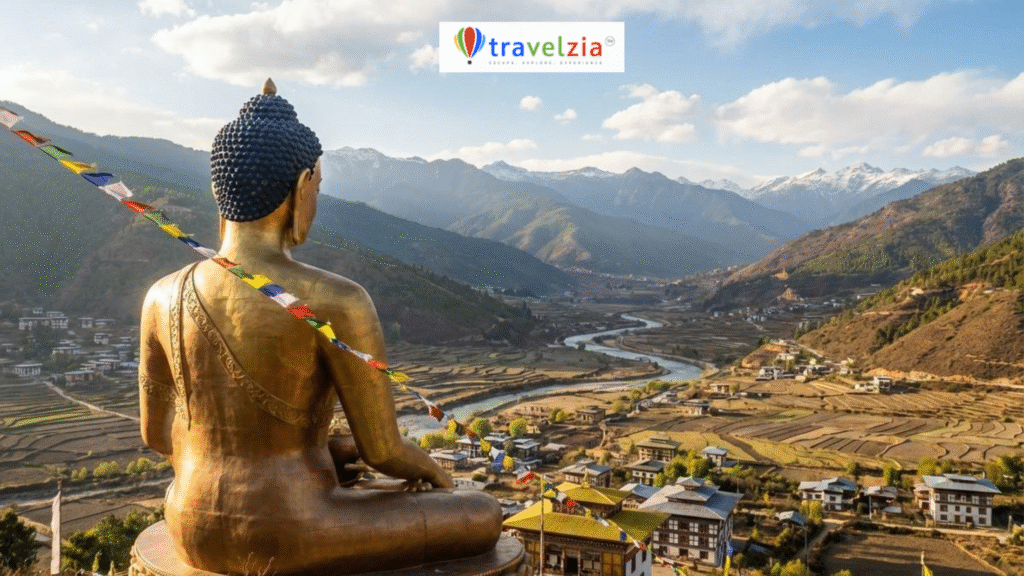
One of its most recognisable attractions is Buddha Dordenma, the enormous Buddha statue overlooking Thimphu Valley. The National Memorial Chorten is another important religious landmark, where you may see local residents walking around the stupa in prayer.
For something different, explore local markets and traditional handicraft shops. They’re good places to discover Bhutanese weaving, artwork and everyday culture.
Thimphu is also an excellent place to try local food, especially if you’re visiting Bhutan for the first time.
Recommended stay: 1–2 nights.
4. Dochula Pass – A Mountain Stop Worth Making
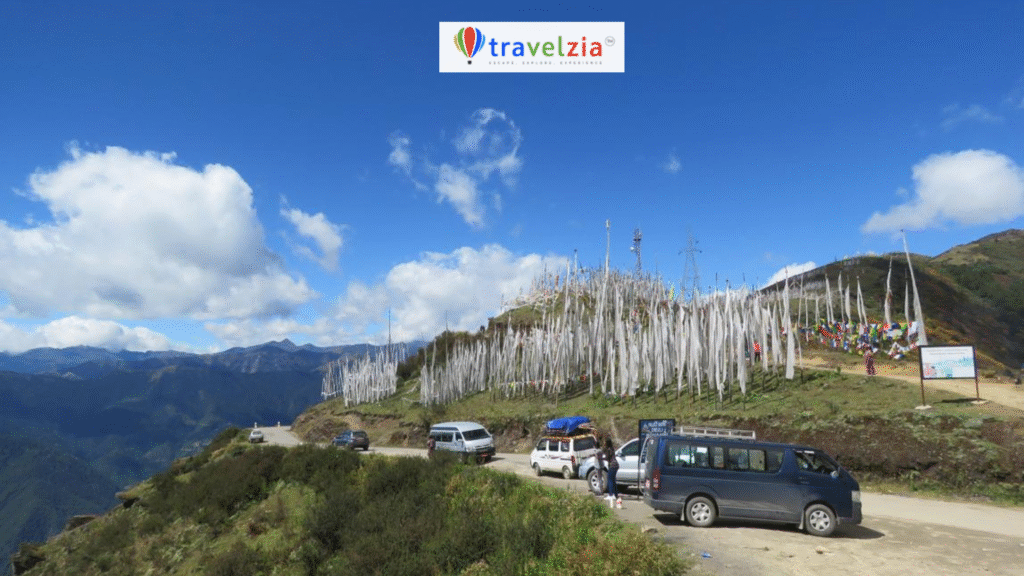
The drive from Thimphu to Punakha takes you through Dochula Pass, one of Bhutan’s most scenic road stops.
Its most distinctive feature is a group of 108 memorial chortens, arranged against the mountain landscape.
On clear days, visitors may enjoy sweeping views of the Himalayan peaks. However, clouds can hide the mountains, so don’t expect a perfect view every time.
Even without clear skies, the chortens and surrounding scenery make the stop worthwhile.
Travel tip: Carry a warm jacket. Mountain passes can feel considerably colder than the valleys below.
5. Punakha – Rivers, Rice Fields and a Beautiful Dzong
Its most famous landmark, Punakha Dzong, stands where the Pho Chhu and Mo Chhu rivers meet. The whitewashed walls, wooden architecture and riverside setting make it one of the country’s most impressive buildings.
You can also walk across the Punakha Suspension Bridge or explore the surrounding countryside.
Because Punakha is situated at a lower elevation, it generally has a warmer climate than Paro and Thimphu.
Recommended stay: 1–2 nights.
6. Phobjikha Valley – For Travellers Who Prefer Peace and Nature
Phobjikha Valley is a beautiful place to slow down, with open grasslands, scattered settlements and mountains surrounding the valley.
Between late autumn and winter, the area becomes an important habitat for migratory black-necked cranes.
Visit Gangtey Monastery, enjoy a nature walk or simply spend time taking in the landscape.
If you’re looking for quiet surroundings rather than busy tourist attractions, Phobjikha is well worth considering.
Best for: Nature lovers, photography and peaceful countryside stays.
7. Bumthang – Bhutan's Spiritual Heartland
Bumthang is especially rewarding for travellers interested in Buddhist history.
The region contains several important religious sites, including Jambay Lhakhang and Kurjey Lhakhang, along with beautiful valleys and traditional settlements.
For travellers planning a Bhutan tour to ancient monasteries & retreats, Bumthang deserves particular attention. It offers opportunities to explore historic places of worship and experience a quieter side of Bhutanese culture.
Keep in mind that organised meditation retreats or monastery stays must be arranged with appropriate providers. Visiting a monastery doesn’t automatically mean an overnight stay is possible.
Recommended stay: 2 nights or longer, depending on your itinerary.
8. Haa Valley – A Quieter Side of Bhutan
Haa Valley is a good choice if you’d like to explore beyond Bhutan’s most familiar tourist circuit.
Here, mountain landscapes, traditional villages and agricultural fields create a peaceful setting.
The area is particularly appealing to visitors who enjoy walking, photography and learning about rural life.
Haa doesn’t offer the same concentration of famous landmarks as Paro or Thimphu. That’s part of its charm.
Best for: Offbeat exploration, rural scenery and relaxed travel.
9. Trongsa – A Place Full of History
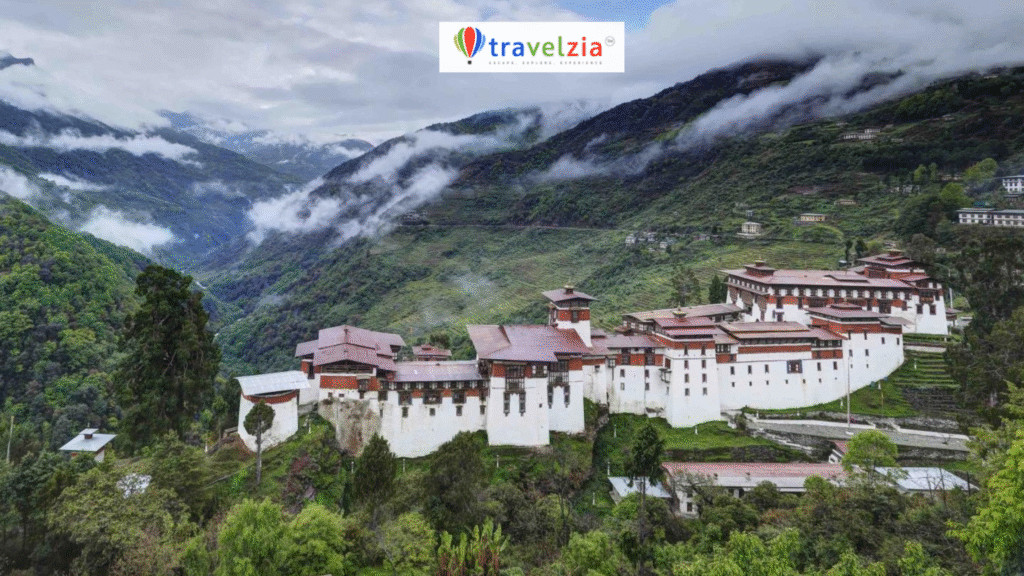
Travellers heading into central Bhutan should consider stopping at Trongsa.
Trongsa Dzong is one of the country’s most striking historic fortresses, overlooking a deep valley.
The surrounding scenery is dramatic, and the town’s history is closely connected with Bhutan’s monarchy.
It’s a particularly interesting destination for travellers who enjoy architecture and want to understand more about the country’s past.
Best for: History enthusiasts and longer Bhutan itineraries.
10. Chele La Pass – A Scenic Drive Near Paro
If you enjoy winding mountain roads and panoramic landscapes, consider adding Chele La Pass to your plans.
Located between the Paro and Haa valleys, the pass is known for its high-altitude setting, colourful prayer flags and mountain scenery.
Weather conditions can change quickly, particularly during winter.
Travel tip: Check road conditions locally before travelling, and don’t plan the journey around guaranteed mountain views.
Spiritual Tourism in Bhutan: More Than Visiting Monasteries
Bhutan’s Buddhist traditions are part of everyday life, not simply attractions created for visitors.
You notice this in the prayer wheels outside temples, the incense around monasteries and the respectful atmosphere surrounding religious sites.
For people interested in Spiritual Tourism in Bhutan, places such as Tiger’s Nest, Punakha Dzong and the ancient temples of Bumthang offer opportunities to learn about the country’s beliefs and cultural traditions.
Some visitors also choose wellness experiences, meditation programmes or traditional hot-stone baths.
When visiting a sacred place, wear modest clothing, follow local instructions and ask before taking photographs. Many temples restrict interior photography.
Don't Leave Bhutan Without Trying a Bhutanese Dish
Sightseeing is only one part of travelling. Food can tell you just as much about a place.
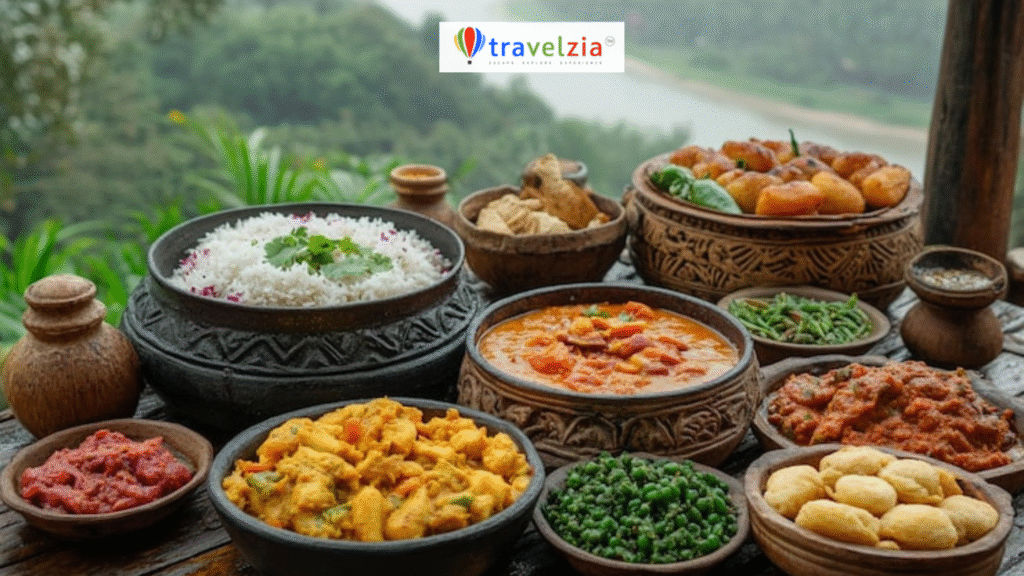
If you want to try a traditional Bhutanese dish, start with ema datshi, made with chillies and cheese. It’s one of the country’s best-known foods and can be quite spicy.
Other dishes worth looking for include kewa datshi, a potato-and-cheese preparation, and phaksha paa, a pork dish commonly prepared with chillies.
You’ll also find momos, noodles and rice dishes in many towns.
If you’re sensitive to spicy food, ask about the heat level before ordering. Bhutanese cooking can be generous with chillies!
Best Time to Visit Bhutan
Choosing the best time to visit Bhutan depends on what you want to experience.
Spring, from March to May, brings flowers, greenery and generally pleasant conditions for sightseeing.
Autumn, particularly October and November, is popular for clearer mountain views, festivals and outdoor travel.
Winter can be suitable for quieter cultural holidays, although mountain passes and higher regions can become very cold.
The summer monsoon brings lush scenery but can also affect road journeys and outdoor plans.
For a detailed seasonal breakdown, read our Best Time to Visit Bhutan guide.
How Many Days Do You Need in Bhutan?
You don’t need to cover the entire country to enjoy a memorable holiday.
Here’s a practical way to choose your itinerary:
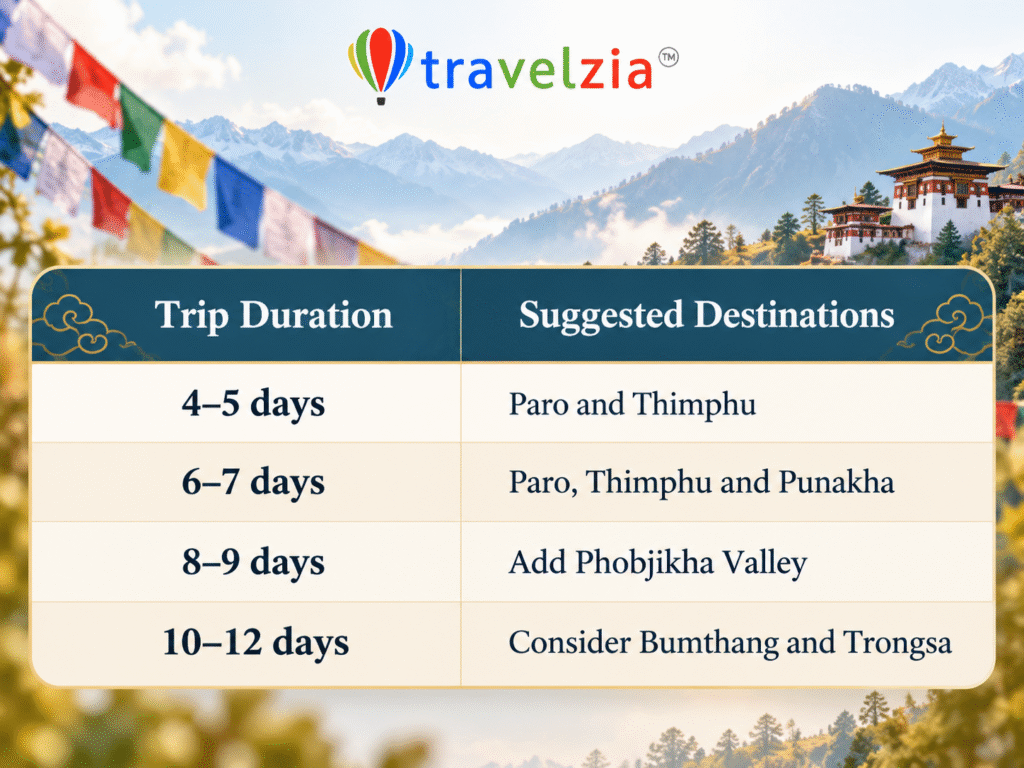
These are suggested routes, not fixed schedules. Travellers entering by road may need additional time.
It’s usually better to enjoy three destinations properly than rush through seven.
Important Bhutan Travel Information for Indian Tourists in 2026
Indian citizens do not need a tourist visa for Bhutan, but an entry permit is required.
Indian adults can generally use a valid Indian passport or Voter ID card for the permit process. Documents for children have separate requirements.
As of October 2026, Indian visitors generally pay a Sustainable Development Fee of INR 1,200 per adult per night, with reduced rates for eligible children.
Accommodation, transportation, guiding and sightseeing costs are additional unless included in a package.
Before travelling, check the latest permit requirements, applicable fees and local travel arrangements through Bhutan’s official tourism website.
Travellers from Kolkata can consider flights to Paro or road journeys through the India–Bhutan border, depending on their budget and available time.
Plan Your Bhutan Holiday with Travelzia
A Bhutan holiday becomes much easier when you choose a route that matches your available days.
Some travellers want to see Tiger’s Nest and Punakha Dzong. Others prefer longer stays in quiet valleys, historic monasteries or traditional villages.
At Travelzia, we help travellers plan domestic and international holidays around their interests, budget and preferred travel dates.
Whether you’re planning a family trip, a couple’s holiday or a cultural getaway, explore our travel services at Travelzia and enquire about a personalised Bhutan itinerary.
1. What are the best places to visit in Bhutan for first-time tourists?
Paro, Thimphu and Punakha are excellent starting points. Together, they offer monasteries, historic buildings, scenic valleys and a good introduction to Bhutanese culture.
2. Which place in Bhutan is best for a spiritual trip?
Paro is popular for Tiger’s Nest Monastery, while Bumthang is known for its historic temples and Buddhist heritage. Both are worth considering for a spiritually focused itinerary.
3. Is Bhutan worth visiting for five days?
Yes. Five days can be enough for a short Bhutan holiday covering selected attractions in Paro and Thimphu, depending on your arrival and departure arrangements.
4. Do Indian citizens need a visa to visit Bhutan?
Indian citizens do not need a visa, but they require an entry permit and must comply with the applicable Sustainable Development Fee requirements.
5. What is the best month to visit Bhutan?
Ema datshi, kewa datshi, phaksha paa and momos are good options for travellers interested in exploring Bhutanese cuisine.
About The Author

Arup Bhattacharjee
With over 10 years of travel and tour management experience, Arup Bhattacharjee is a core member of Travelzia’s operational team. He has explored diverse destinations across India and several countries abroad, gaining deep insights into both travel logistics and on-ground experiences. As a travel enthusiast, he is loves discovering new routes, local cultures, and hidden gems, which he often shares to help travelers enjoy smooth and memorable adventures.