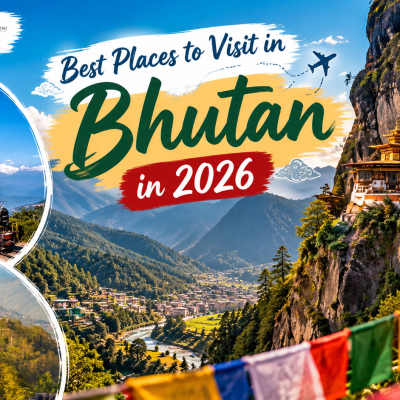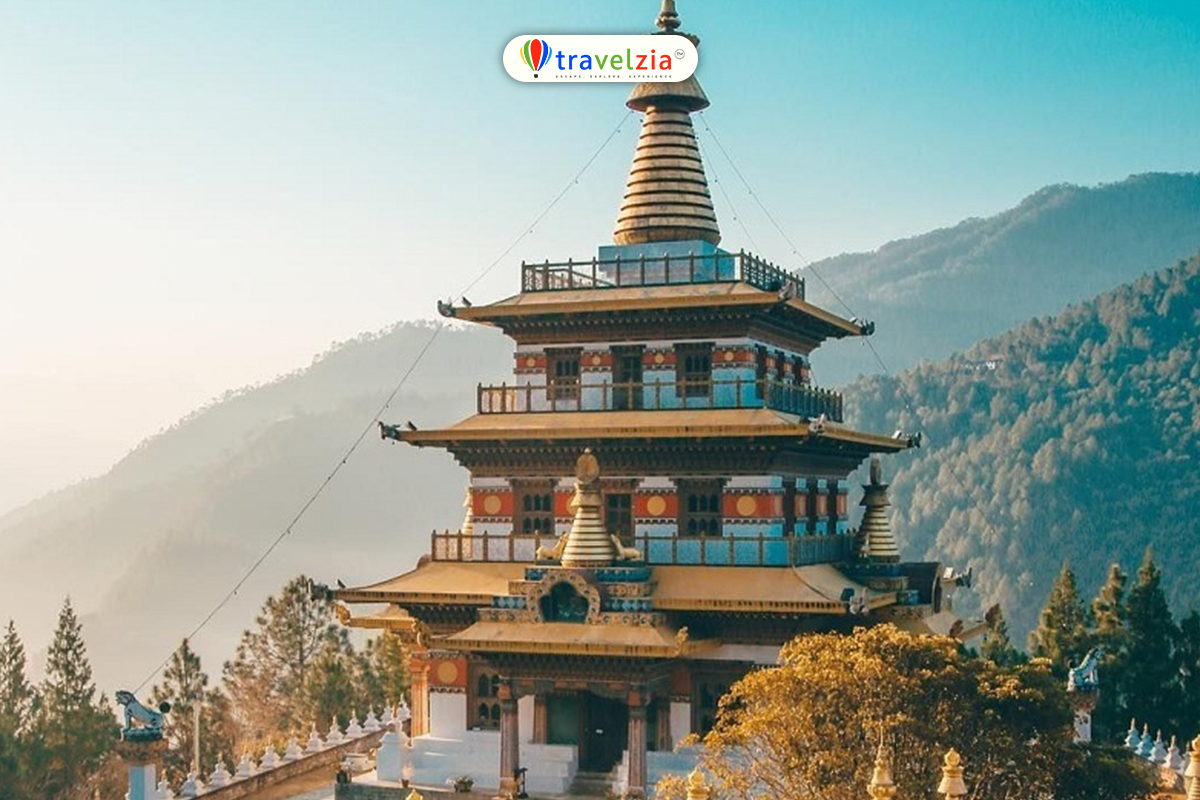
The first time I crossed Bhutan’s emerald valleys and misty mountain passes, I realized this little Himalayan kingdom is more than a destination—it’s a feeling. Bhutan doesn’t just greet you with postcard landscapes; it welcomes you with an invisible rhythm of peace. The fluttering prayer flags, the echo of monks chanting, and the smell of butter lamps together weave an atmosphere where silence speaks louder than words.
For many travelers, Bhutan is not just about seeing but about being—being present, still, and mindful. Spiritual tourism here has its roots in centuries-old traditions of Buddhism, which is not only practiced but lived in every corner. And if you’re seeking places for meditation and mindfulness, Bhutan’s monasteries are timeless sanctuaries where the body slows down and the mind finds clarity.
Let me take you through the five best monasteries in Bhutan where your journey inward can begin.
Also Read: Top 7 Must-Visit Places in Bhutan for First-Time Travelers
1. Tiger’s Nest Monastery (Paro Taktsang) – The Iconic Cliffside Retreat
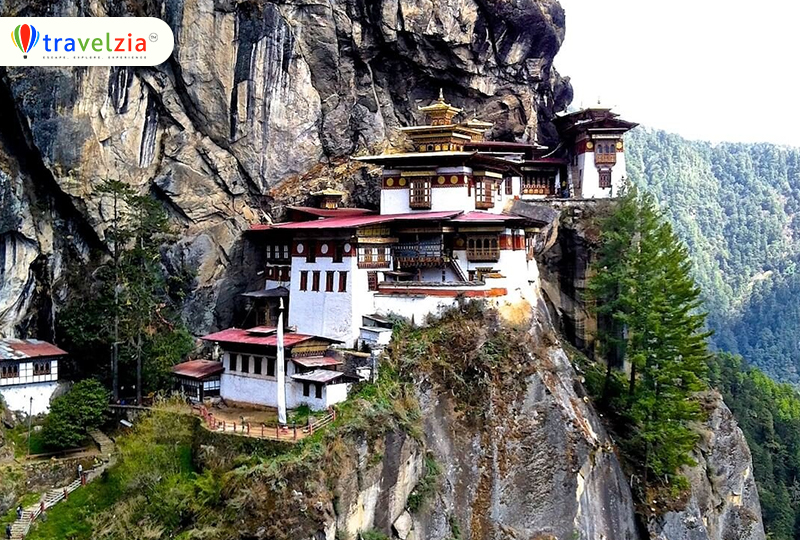
Imagine climbing a steep mountain trail where each step feels like a quiet prayer. As you ascend, clouds swirl around, and suddenly, clinging to the edge of a cliff at 10,200 feet, appears the Tiger’s Nest Monastery.
According to legend, Guru Rinpoche (Padmasambhava) flew here on the back of a tigress to meditate and subdue negative forces. Today, Tiger’s Nest remains Bhutan’s most iconic monastery and a magnet for spiritual seekers. Clinging to a cliff at 3,120 meters, Taktsang is Bhutan’s most iconic spiritual site.
The trek through pine forests is a physical and mental preparation for meditation. Inside, the sacred cave and vibrant murals invite reflection, while outdoor terraces offer breathtaking views of Paro Valley—perfect for mindful pauses.
The hike itself becomes a mindful exercise—you breathe deeper, focus on the path, and feel every muscle stretch. Once inside, the inner sanctums resonate with chants and incense, offering an otherworldly stillness. Spend a few hours here, sit in silence, and you’ll notice how the noise inside your head fades into the sound of fluttering prayer flags outside.
Why visit? For a combination of breathtaking beauty and transformative silence, there’s no place like Paro Taktsang.
2. Punakha Dzong – The Palace of Great Happiness
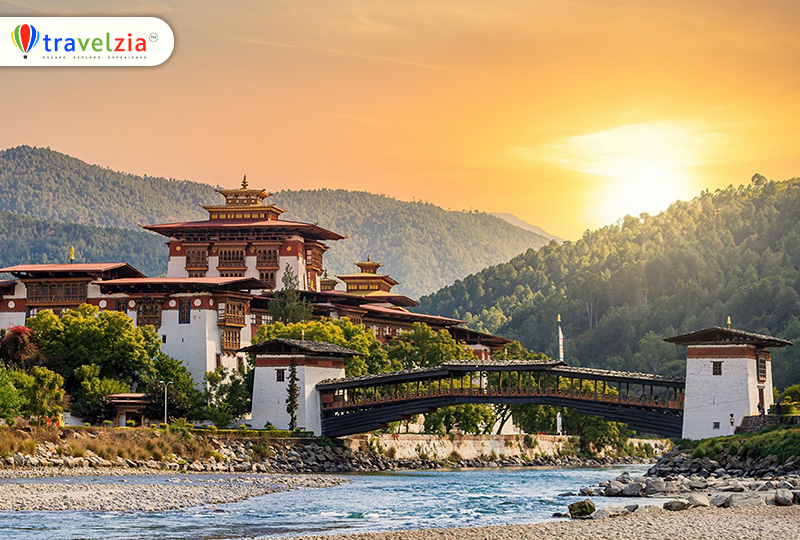
Built at the confluence of the Pho Chhu and Mo Chhu rivers, Punakha Dzong looks like it has floated out of a dream. Its whitewashed walls, golden spires, and intricate woodwork reflect a sense of divine harmony.
Often referred to as “The Palace of Great Happiness,” Punakha Dzong has been the stage for royal coronations, sacred rituals, and centuries of spiritual practice. When you sit near the riverside courtyard, with the sound of flowing water blending with distant chants, you realize why mindfulness here comes naturally.
Punakha Dzong also houses sacred relics of Guru Rinpoche, making it a profound spiritual landmark. Visitors are often encouraged to slow down, walk mindfully across the wooden bridge, and soak in the energy of this sacred site.
Why visit? For a balance of history, spirituality, and the gentle rhythm of rivers that guide you toward inner peace.
Also Read: Traditional Bhutanese Dishes You Must Try on Your Bhutan Vacation
3. Gangtey Monastery – Where Valleys and Souls Breathe Freely
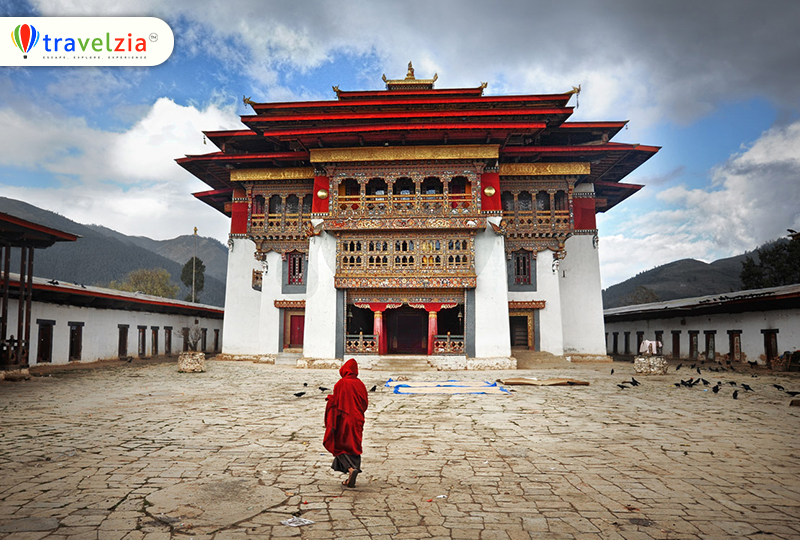
Far away from the bustle, perched on a hill overlooking the stunning Phobjikha Valley, is Gangtey Monastery, home to the Nyingma school of Buddhism. The wide open valley below, known for its black-necked cranes, feels like nature’s own meditation mat.
When I visited Gangtey, I remember sitting on the monastery steps, watching the mist roll across the valley floor. Time seemed irrelevant. The monks here often engage visitors in guided meditation sessions, where silence is not just absence of sound but presence of the soul.
The annual Tsechu festival is also a spectacle of spiritual vibrancy, with mask dances that are as symbolic as they are mesmerizing.
Why visit? If you’re looking for a monastery where nature and spirituality intertwine seamlessly, Gangtey will leave you spellbound.
4. Cheri Monastery (Chagri Dorjeden) – The Birthplace of Monasticism in Bhutan
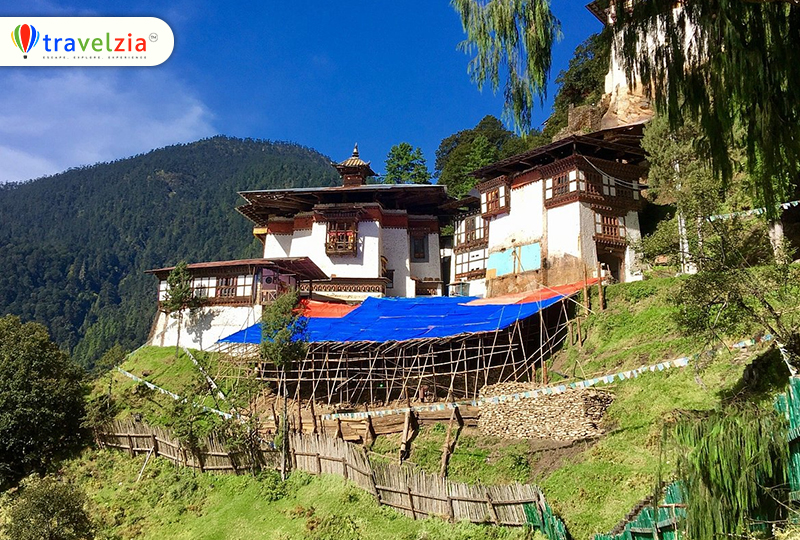
Just outside Thimphu, after a short hike through pine-scented forests, lies Cheri Monastery, founded in 1620 by Zhabdrung Ngawang Namgyal, the unifier of Bhutan. This monastery is often regarded as the birthplace of Bhutan’s monastic traditions.
The path to Cheri is lined with prayer wheels and the gentle sound of a river running alongside, making the journey as meditative as the destination. Many monks still come here for long retreats, practicing deep meditation in solitude.
As a visitor, you may not live the monastic life, but even a short sitting meditation within its walls gives you a glimpse into the discipline and serenity that have shaped Bhutanese spirituality for centuries.
Why visit? To experience Bhutan’s oldest roots of mindfulness and feel the unbroken chain of Buddhist practice.
5. Tashichho Dzong – The Fortress of Glorious Religion
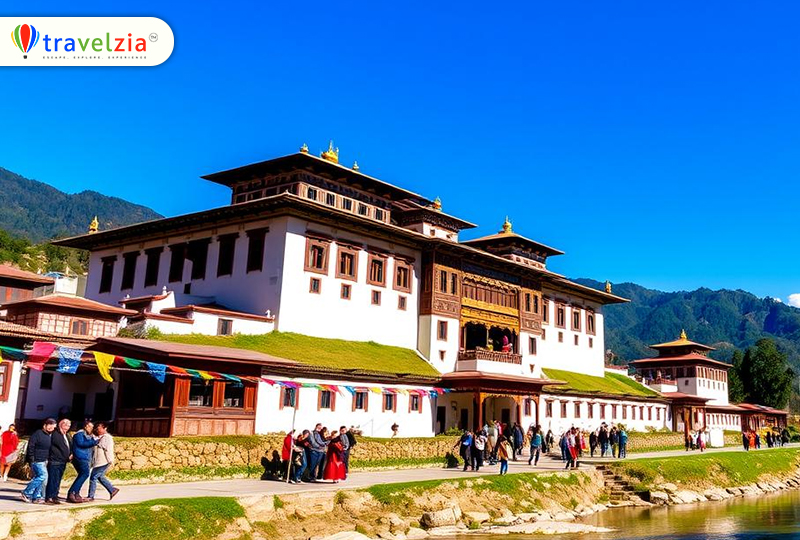
Standing tall in Thimphu, Bhutan’s capital, Tashichho Dzong is both a political center and a spiritual hub. While it houses government offices, it is also home to the throne room and summer residence of the Chief Abbot of Bhutan.
By day, Tashichho Dzong is a grand fortress. But as evening falls, the dzong glows under golden lights, and the atmosphere transforms into something ethereal. Sitting in the courtyard, you hear the rhythmic beating of drums and monks reciting prayers.
Visitors often describe this as a place where the sacred and secular meet without conflict—a reminder that mindfulness can exist even amidst life’s responsibilities.
Why visit? To witness how Bhutan harmonizes spirituality with everyday life in the heart of its capital.
Final Thoughts: A Journey Beyond the Eyes
Travel in Bhutan isn’t about ticking places off a list—it’s about unticking the distractions of the modern world. Each monastery is not just an architectural wonder but a living space of silence, discipline, and mindfulness. Whether you’re climbing the cliffs of Tiger’s Nest, listening to rivers near Punakha Dzong, or meditating in the quiet courtyards of Cheri, Bhutan teaches you that peace is not found—it is remembered.
So, if your soul is craving stillness and your heart yearns for clarity, let Bhutan be your teacher. Pack light, breathe deep, and let the monasteries guide you inward.
With Travelzia’s Bhutan Tours, your journey becomes more than just a trip—it becomes a soulful experience of meditation, mindfulness, and discovery in the Land of Happiness.
About The Author