
International travel today is more connected than ever—but global events can quickly change travel plans. Recent geopolitical tensions in the Middle East have already disrupted international aviation networks, forcing airlines to cancel flights, reroute aircraft, and extend travel times across major global routes.
For travelers planning trips to Europe, America, or other international destinations, understanding how global tensions affect aviation is essential. With the right planning and awareness, you can still travel safely and confidently even during uncertain times.
This guide explains what’s happening in global aviation right now and shares smart travel tips to help you plan a safer international journey.
Why Global Situations Can Affect Air Travel
Airlines operate across international airspaces, and safety is always the highest priority in aviation. When regional situations evolve, aviation authorities sometimes introduce temporary restrictions or route adjustments to ensure passenger safety.
For example, airspace in countries such as Iran, Iraq, and Syria has recently experienced tighter aviation controls. As a result, airlines are carefully evaluating flight corridors and selecting alternative routes when necessary. Meanwhile, airspace in countries like United Arab Emirates and Saudi Arabia remains operational but with enhanced monitoring and regulated flight corridors. These adjustments are part of standard aviation safety protocols and are designed to ensure that international travel remains secure.
How Airlines Are Adapting Their Routes
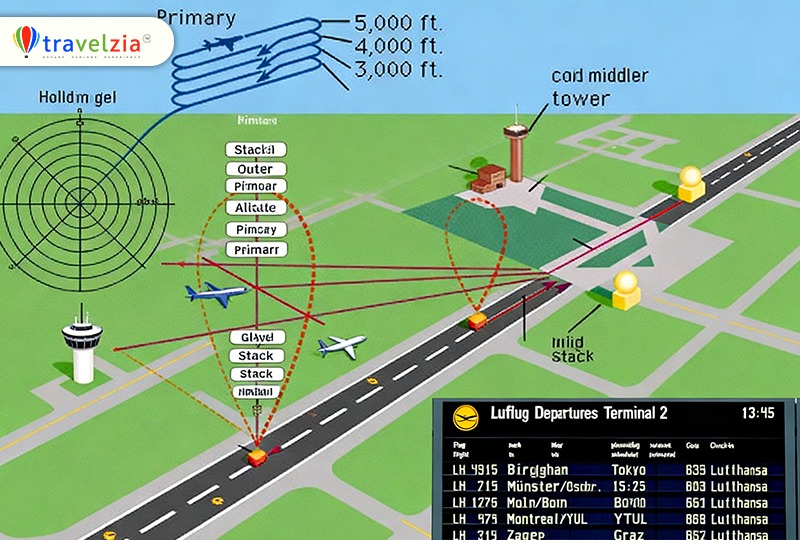 When certain air corridors become restricted or heavily monitored, airlines may adjust their routes to maintain safe operations.
Flights from India to Europe or North America often pass through the Middle East region. When airlines temporarily avoid some corridors, they may take alternative routes such as:
- Northern routes via Central Asia and Turkey
- Southern routes passing near Oman or Egypt
- Modified flight paths across the Mediterranean region
Because of these changes, flights departing from major Indian cities like Delhi, Mumbai, or Kolkata may occasionally take longer than usual. In some cases, passengers may notice:
- Slightly longer flight durations
- Occasional schedule adjustments
- Limited availability on certain routes
These adjustments are part of the aviation industry’s effort to prioritize passenger safety while maintaining global connectivity.
Why Flights to Europe and the USA Are Getting Delayed
Many flights from India and Southeast Asia to Europe or North America typically pass through Middle Eastern airspace. With major corridors restricted, airlines are now using longer alternative routes. Some flights are detouring north via Central Asia or Turkey, while others travel south via Egypt or the Mediterranean.
Because of these changes:
- Flight times may increase by 3–5 hours
- Some nonstop flights may require technical fuel stops
- Connecting flights may face higher risk of delays
- Ticket prices may rise due to longer routes and fuel costs
For travelers, this means flexibility and preparation are more important than ever.
Smart Travel Planning Tips During Global Uncertainty
1. Always Check Flight Status Before Leaving for the Airport
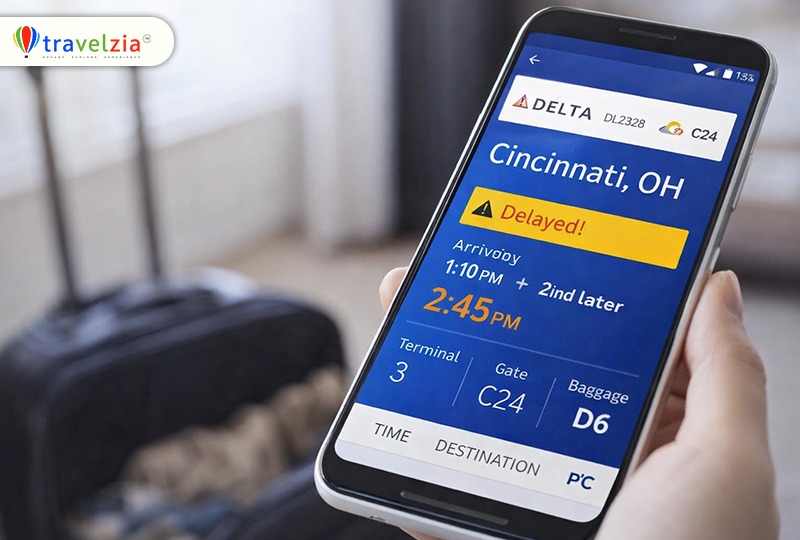
During global disruptions, schedules can change quickly. Airlines may delay or cancel flights at short notice. Before leaving home, check your airline’s website or flight tracking platforms such as:
You can check updates through reliable sources such as:
- Flightradar24 — for real-time live flight tracking
- SafeAirspace — to monitor global airspace risk updates
- OpsGroup — for professional aviation briefings and industry updates
- Airline mobile apps or official airline websites — for direct flight alerts and schedule notifications
- Airport departure boards — for the latest real-time airport updates
These tools help travelers stay informed and plan their airport arrival more confidently.
2. Choose Flexible Airline Tickets
 When global tensions affect travel, flexible tickets are extremely valuable. Look for fares that offer:
- Free date changes
- Flexible rebooking options
- Refundable tickets
Many airlines now offer travel waivers during geopolitical disruptions, allowing passengers to reschedule without heavy penalties.
3. Allow Extra Time for Connecting Flights

If your journey includes connecting flights through international hubs, consider booking slightly longer layovers. Transit hubs in cities such as Dubai or Abu Dhabi may occasionally adjust schedules depending on route changes. A comfortable connection window ensures that even if a flight arrives later than expected, you still have time for your next flight. try to choose layovers of at least 3–4 hours to avoid missed connections.
4. Monitor Official Travel Updates
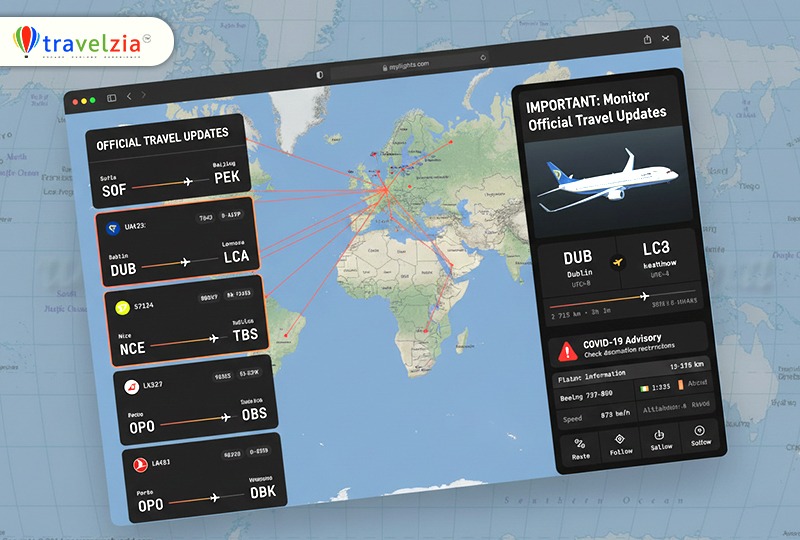
Reliable travel information helps travelers make confident decisions. Consider checking updates from:
- Airline notifications
- Government travel advisories
- Aviation safety platforms
These sources provide timely information about route adjustments or operational changes.
5. Travel Insurance Can Be Helpful

Travel insurance has always been a wise addition to international trips. During periods of global uncertainty, it becomes even more valuable. A comprehensive travel insurance plan may cover:
- Trip delays
- Flight disruptions
- Medical emergencies abroad
- Unexpected travel changes
Having insurance ensures that travelers remain financially protected if plans change.
6. Keep Important Documents Easily Accessible
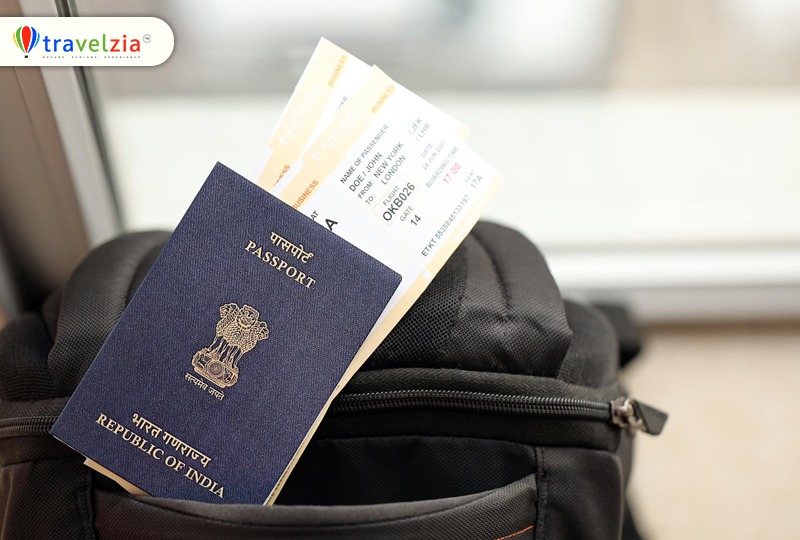
During international travel, it’s always useful to keep essential documents organized and accessible. These may include:
- Passport and visas
- Flight tickets and boarding passes
- Travel insurance documents
- Emergency contact information
Keeping digital copies on your phone or cloud storage can also be helpful.
The Aviation Industry’s Strength and Adaptability
One of the remarkable strengths of global aviation is its ability to adapt quickly. Airlines regularly update routes, optimize schedules, and coordinate with international aviation authorities to maintain safe and efficient travel. While certain routes may temporarily change, international connectivity continues through carefully managed flight corridors. Travelers around the world continue to fly safely every day thanks to strict aviation regulations and coordinated global air traffic systems.
Final Thoughts
Global developments may occasionally influence travel routes, but they rarely stop the world from moving. With the right preparation, international travel remains safe, manageable, and rewarding. The key is staying informed, planning flexible itineraries, and relying on trusted travel resources like Travelzia when needed.
If you prefer a smoother and more comfortable travel experience, professional travel planners can assist with updated itineraries, flight monitoring, and route planning. Our Travel experts can also help arrange airport transfers, private vehicles, and seamless travel support so that you can focus on enjoying your journey.
Because even during uncertain times, thoughtful planning can turn any trip into a safe and memorable travel experience.
About The Author