From the Diary of a Pilgrim…
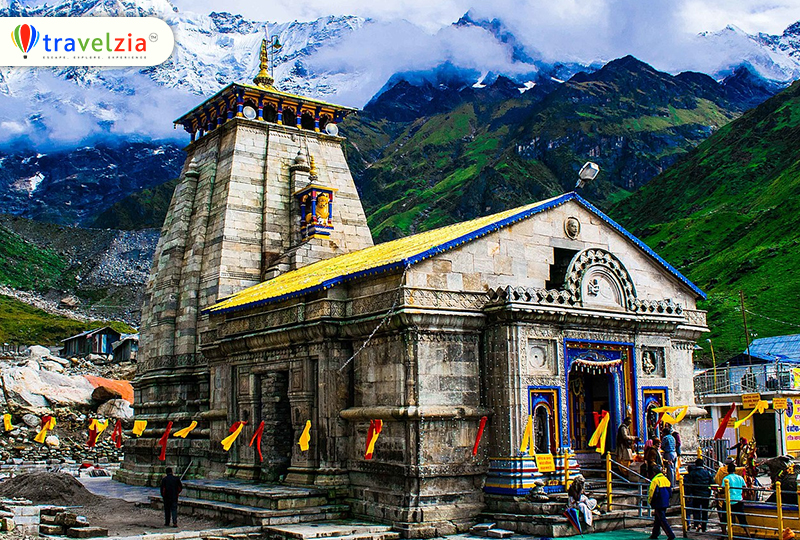
It’s 5 AM. A blanket of mist hugs the Himalayan valley. The cold bites into the bones. Horses, mules, and pilgrims trudging the steep trails – the road to Kedarnath is not just difficult, it’s deeply spiritual. The very name “Kedarnath” evokes a sense of serenity and surrender. Nestled among snow-clad peaks, this ancient temple stands tall – a symbol of unwavering devotion that has drawn seekers for centuries.
Located at an altitude of 3,583 meters (11,755 ft) on the banks of the Mandakini River, near the Gangotri Glacier region in Rudraprayag district of Uttarakhand, the Kedarnath Temple is one of the twelve Jyotirlingas of Lord Shiva. It is not accessible by road — reaching it requires true willpower, planning, and preparation.
Most dream of visiting Kedarnath at least once in their life. But a journey like this requires more than just mental and physical readiness – you’ll need important government documents too. So, in this blog, I’m sharing my real experience and a complete checklist of what you’ll need for a smooth Kedarnath Yatra – plus a few must-know travel tips!
Mandatory Government Documents for Kedarnath Yatra
1. E-Registration / E-Pass
Every pilgrim must register on the official portal:
https://registrationandtouristcare.uk.gov.in
Once you complete the registration, you’ll receive a QR-coded e-pass. This is mandatory for entering Kedarnath Yatra. Keep a soft and hard copy ready. Registration should be done at least 20–30 days in advance of your travel date.
2. ID Proof (Aadhaar Card / Voter ID / Passport / DL)
This is essential for registration, helicopter booking, hotel check-in, and security checks.
Carry multiple photocopies of your ID, and if possible, keep a second backup ID.
3. COVID-19 Vaccination Certificate (Optional, but recommended)
Although not strictly required, carrying your fully vaccinated certificate is a wise step in today’s world.
4. Medical Fitness Certificate (Highly recommended for age 50+ or kids)
As this is a high-altitude trek, fitness certificates from your doctor are often required — especially before ascending from Sonprayag or Gaurikund. If you have a history of asthma, heart problems, or any chronic illness – this is crucial.
5. Travel Insurance (Optional but smart)
Mountains are unpredictable. From landslides to altitude sickness – risks are real. Some companies like Travelzia include insurance in their packages. Or you can take one yourself for peace of mind.
When is Kedarnath Temple Open?
Kedarnath Temple opens during late April or early May and remains open until late October or early November. After that, due to heavy snowfall, the temple is closed for winter.
Temple Timings: 4 AM – 3 PM and 5 PM – 9 PM (closed midday for offerings).
How to Reach Kedarnath
By Road
From Haridwar or Rishikesh, take a cab, taxi or bus to Gaurikund. This is the last motorable point.
Trekking
From Gaurikund, it’s a 16 km trek uphill to reach Kedarnath.
Post the 2013 floods, the trail has been rebuilt and is now safer and well-marked.
By Helicopter
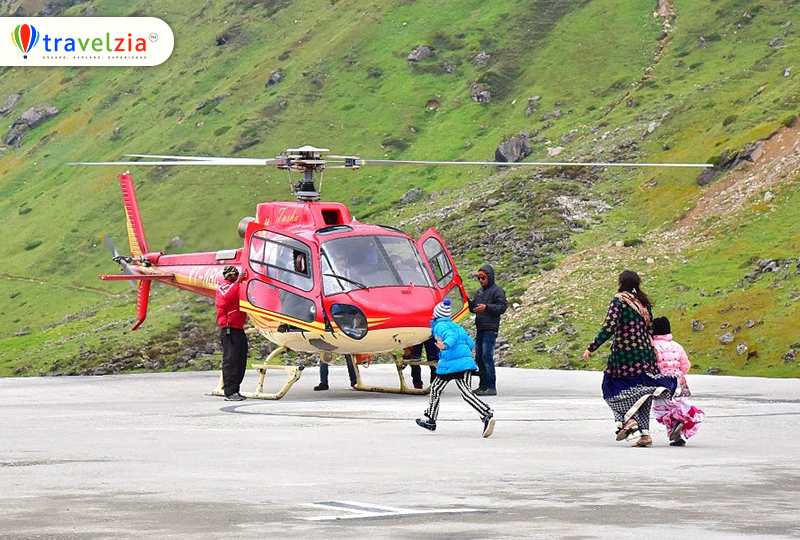
Don’t want to trek? You can take a helicopter ride from:
- Guptkashi
- Phata
- Sersi
Book online at: https://heliservices.uk.gov.in
Bookings open around 30 days in advance. It’s best for senior citizens, physically unfit pilgrims, or those short on time.
Mule / Palanquin (Palki) Services
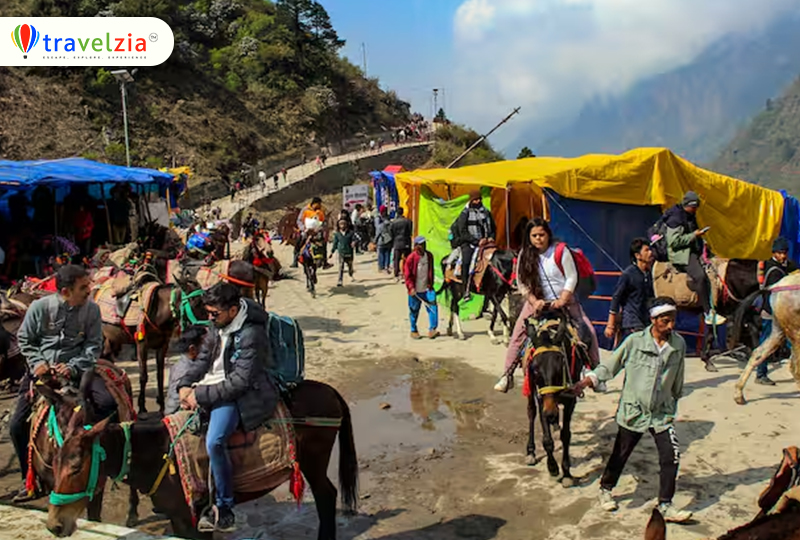
This is a traditional and helpful option for:
- Elderly
- Children
- Pilgrims with physical limitations
Rates:
- Mule Ride: ₹2,500 – ₹3,500
- Palki: ₹6,000 – ₹10,000 (depends on body weight, distance)
Book at GMVN counter at Gaurikund or through local agents. Pre-booking is possible via portals or tour packages.
here to Stay during Kedarnath Yatra?
Primary stay options:
- Gaurikund – Budget hotels, dharamshalas, and GMVN guest houses
- Kedarnath Base Camp – Limited accommodations available near temple, including:
- GMVN Tents
- Shared Dormitories
- Basic but clean lodges
Booking must be done 20–30 days prior as options are limited, especially during peak season.
What to Pack for the Journey
- Warm clothes (Jackets, Woolen caps, Gloves, Socks)
- Trekking shoes with good grip
- Raincoat/Umbrella
- First Aid Kit + Medicines (including for high altitude sickness like Diamox)
- Torch + Power Bank
- Energy bars/dry fruits/snacks
- Print copy of your bookings and IDs
Important Travel Tips & Warnings
- Start early in the day for trekking – avoid late evening climbs.
- Stay hydrated but avoid overeating.
- Don’t rush – acclimatize yourself to the altitude.
- Respect nature – avoid littering and follow all forest rules.
- ATM & mobile network may not be available at higher altitudes. Carry cash and BSNL/Jio SIM.
- Avoid monsoon season (July–August) due to landslides.
- Listen to your body and your guide – don’t push too hard.
Final Words…
When you finally reach the Kedarnath Temple, exhausted yet elated, it feels like a divine homecoming. The moment your eyes meet the ancient stone walls against the white peaks, every pain and effort dissolves. You’ll stand still, teary-eyed, and whisper from your soul – “Har Har Mahadev”.
So, pack your bags, keep your documents ready, and make this year your spiritual milestone.
If you found this blog helpful, share it with fellow pilgrims and leave your questions or comments below!
About The Author